


Foundation Problems When Buying a House: What Homebuyers Should Know
Foundation problems in a house typically involve structural movement caused by shifting soil, drainage issues, or settling beneath the home. These issues are often discovered during a home inspection when the structure is evaluated for potential problems.
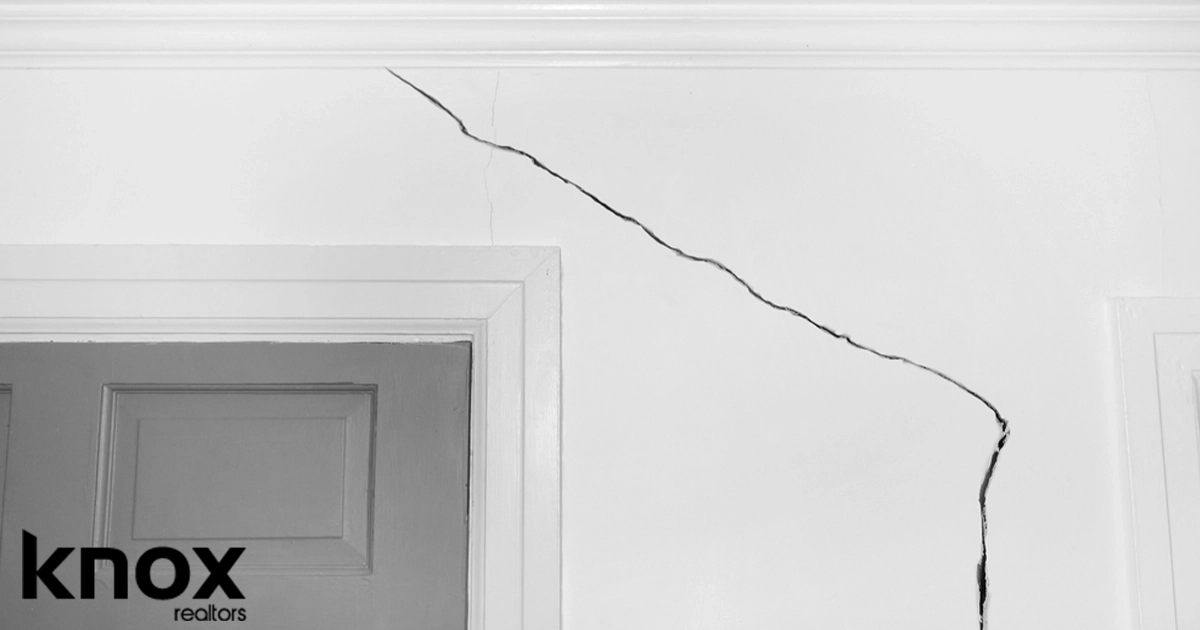
Foundation concerns are one of the most common structural issues homebuyers encounter during the home inspection process. While the warning signs of foundation movement may begin as small cosmetic changes, they can sometimes indicate deeper structural movement beneath the home.
Small cracks in brick, doors that no longer close smoothly, or slightly sloping floors can be early signs that a home's foundation is shifting. Because the foundation supports the entire structure, its stability plays a critical role in the long-term durability of the home.
For buyers evaluating a property, understanding foundation warning signs, inspection procedures, repair options, and typical repair costs can help you make a more informed purchasing decision.
Many buyers first become aware of potential foundation issues during a home inspection, when inspectors review the structural components of the property and note any visible signs of movement.
Foundation Warning Signs Buyers Should Look For
When touring homes or reviewing inspection reports, buyers should watch for several indicators that may suggest foundation movement.
Common signs of foundation problems include:
-
Cracks in exterior brick or interior drywall
-
Doors or windows that stick or will not close properly
-
Sloping or uneven floors
-
Gaps around door frames or window frames
-
Cracks in tile flooring
-
Separation between walls and ceilings
While some minor cracks can occur naturally as homes settle, widening cracks or patterns of structural movement may indicate shifting beneath the foundation.
If these issues appear during a home inspection, buyers may request further evaluation by a foundation specialist or structural engineer before proceeding with the purchase.
Foundation Inspection Checklist for Homebuyers
When evaluating a home or reviewing an inspection report, buyers can use a simple checklist to identify possible foundation concerns.
Look for the following:
✔ Cracks in exterior brick walls
✔ Cracks above windows and doors
✔ Uneven or sloping floors
✔ Doors or cabinets that do not close properly
✔ Separation between walls and ceilings
✔ Gaps near baseboards or trim
✔ Cracked tile flooring
✔ Sloping exterior steps or porch areas
These indicators do not always mean a major repair is needed, but they may warrant further evaluation.
What a Home Inspector Looks for in Foundation Problems
During the home inspection process, inspectors carefully evaluate the structural condition of the property.
Inspectors typically review:
-
Exterior brick walls and mortar joints
-
Interior drywall for cracks or separation
-
Door and window alignment
-
Floor level and slope
-
Drainage around the home
Inspectors also check whether water is draining properly away from the home. Poor drainage can contribute to soil movement beneath the foundation.
If inspectors observe structural movement, they may recommend further evaluation by a licensed structural engineer or foundation repair specialist.
Why Foundation Issues Occur in Texas Homes
Many homes in Texas experience foundation movement due to expansive clay soils. Clay soil expands when it absorbs moisture and shrinks when it dries, causing soil beneath foundations to shift.
These soil conditions are common across North Texas and the Dallas–Fort Worth region.
Other factors that may contribute to foundation movement include:
-
Poor drainage around the property
-
Plumbing leaks beneath the slab
-
Tree roots drawing moisture from soil
-
Extended drought followed by heavy rain
Because these conditions are common in Texas, it is not unusual for homes to experience some degree of foundation movement over time.
Foundation Repair Methods Compared
| Repair Type | Best For | Typical Cost |
|---|---|---|
| Concrete Piers | Moderate soil movement | $3,000–$6,000 |
| Steel Piers | Deep soil movement | $5,000–$10,000 |
| Slabjacking | Minor settlement | $500–$1,300 |
| Pier & Beam Repair | Crawlspace homes | $1,500–$8,000 |
Each repair method is designed to address different types of foundation systems and soil conditions.
Piering Systems for Slab Foundations
One of the most common foundation repair methods is piering, which stabilizes the foundation by installing supports beneath the slab.
The process typically involves:
-
Excavating areas around the foundation
-
Installing steel or concrete piers beneath the slab
-
Using hydraulic equipment to lift the foundation
-
Stabilizing the structure with multiple piers
These piers transfer the weight of the home to more stable soil layers beneath the surface.
Concrete Piers vs Steel Piers
Two of the most common pier systems used in foundation repair are concrete piers and steel piers.
Concrete Piers
Concrete piers are typically less expensive and are driven into the soil beneath the foundation. These systems provide support by distributing the home’s weight through the soil layers.
Steel Piers
Steel piers are driven deeper into the ground until they reach stable soil or bedrock layers. Because they extend deeper, steel piers are often used in areas where soil movement is more significant.
Steel piers generally cost more but may provide longer-term stability depending on soil conditions.
Pier and Beam Foundation Repair
Some homes are built with pier and beam foundations, which elevate the structure above the ground and create a crawl space beneath the home.
This design uses beams supported by piers to distribute the weight of the house.
Over time, moisture exposure or soil movement may affect these support structures. Repairs may involve reinforcing damaged piers or installing additional support beams.
A process called shoring may be used to temporarily support the home while repairs are completed.
Slab Foundation Repair
Homes built on concrete slab foundations may require a repair technique known as slabjacking, sometimes called mudjacking.
During this process, technicians pump a grout mixture beneath the concrete slab to raise and stabilize sections that have settled.
Slabjacking can correct minor settlement issues by filling empty spaces beneath the foundation.
However, more severe foundation movement may require pier systems for deeper structural support.
Average Foundation Repair Costs
Foundation repair costs vary depending on the size of the home, severity of movement, and repair method used.
Typical foundation repair cost ranges include:
| Repair Type | Typical Cost |
|---|---|
| Minor crack repair | $250 – $500 |
| Slabjacking repairs | $500 – $1,300 |
| Moderate repairs | $3,000 – $6,500 |
| Major repairs | $7,000 – $11,000+ |
On average, many homeowners spend around $4,000 for common foundation repair work.
Additional Costs Buyers Should Understand
In some cases, additional evaluations may be required before repairs begin.
These may include:
-
Structural engineer reports: $300 – $1,500
-
Soil analysis reports: $500 – $3,000
-
Removal of obstacles such as tree roots: $1,000 – $2,500
These evaluations help determine the best repair approach for the specific property.
How Foundation Issues Affect Mortgage Approval
Foundation problems can sometimes affect the mortgage approval process.
Lenders and appraisers evaluate whether a home’s structural condition meets lending requirements.
If major structural issues are discovered, lenders may require repairs to be completed before closing. In some cases, funds may be held in escrow until repairs are finished.
Because structural stability is important to lenders, buyers should review inspection reports carefully and discuss potential repairs with their real estate professional.
Foundation Repair Warranties
Many foundation repair companies provide transferable warranties for their repair work.
These warranties can offer reassurance to both current and future homeowners.
Warranty coverage may include:
-
Lifetime structural warranties
-
Transferable coverage to future buyers
-
Periodic inspection services
Documentation of completed repairs and warranties can help future buyers feel more comfortable purchasing a home that previously had foundation work.
Foundation Repair Costs in Dallas–Fort Worth
In the Dallas–Fort Worth area, foundation repair projects commonly range between $3,000 and $6,500.
Smaller repairs may cost closer to $1,900, while larger structural repairs involving multiple piers may exceed $10,000.
Many North Texas foundation repair companies offer free foundation evaluations, allowing homeowners and buyers to understand the condition of the property before committing to repairs.
Should Buyers Walk Away from Homes with Foundation Issues?
Discovering foundation issues during a home inspection does not automatically mean a buyer should cancel the purchase.
Many homes with professionally completed foundation repairs perform well for years after the work is completed.
Buyers may consider several options when foundation concerns arise:
-
Request repairs before closing
-
Negotiate a price adjustment
-
Request a structural engineer evaluation
-
Review foundation repair warranties
Working with a knowledgeable real estate professional can help buyers evaluate these options.
Foundation Repairs and Resale Value
In regions such as North Texas where expansive clay soils are common, foundation repairs are not unusual.
Homes with properly documented repairs and transferable warranties may still attract strong buyer interest.
In some cases, homes with completed foundation repairs and warranty coverage may provide reassurance that the issue has already been addressed.
FAQ
What are common signs of foundation problems in a house?
Common signs include cracks in walls or brick, doors that stick, uneven floors, and visible gaps near windows or baseboards.
Should you buy a house with foundation issues?
Many homes with foundation issues can still be good purchases if the repairs are properly evaluated and completed by qualified professionals.
How much does foundation repair cost in Texas?
Foundation repair costs vary depending on the extent of the repair, but many projects range between $3,000 and $6,500.
How do inspectors identify foundation problems?
Inspectors look for structural movement, cracks, uneven flooring, and drainage issues around the home.
Are foundation repairs common in Texas homes?
Foundation movement is relatively common in areas with expansive clay soils, including North Texas. Proper repairs and drainage management can help stabilize foundations.